
To effectively learn how to prevent frost heave in fence posts, you must dig post holes below the local frost line, which is typically 42 inches deep in cold climates. Use straight-sided or bell-bottomed holes to prevent frozen soil from gripping the concrete; additionally, incorporate gravel at the base to improve drainage. Proper depth and hole shape are essential to stop the upward pressure of expanding ice from displacing your fence.
Watching your new fence lean or shift after a single Northland winter is a frustrating sight for any homeowner. In Duluth, the combination of heavy clay and extreme temperature swings creates the perfect environment for frost heave. This natural phenomenon can exert thousands of pounds of upward pressure; it turns a straight property line into a jagged mess of unstable posts. To protect your investment, you need more than just a bag of concrete. You need an understanding of how Minnesota soil behaves under the frost line. In this guide, we will break down the physics of soil expansion and identify common installation errors. You will learn the exact methods required to anchor your fence permanently, including how deep you must actually dig to stay below the frost line. We will also explore how modern gas post drivers provide a superior alternative to traditional footings.
Understanding the Physics of Frost Heave in Minnesota Soils
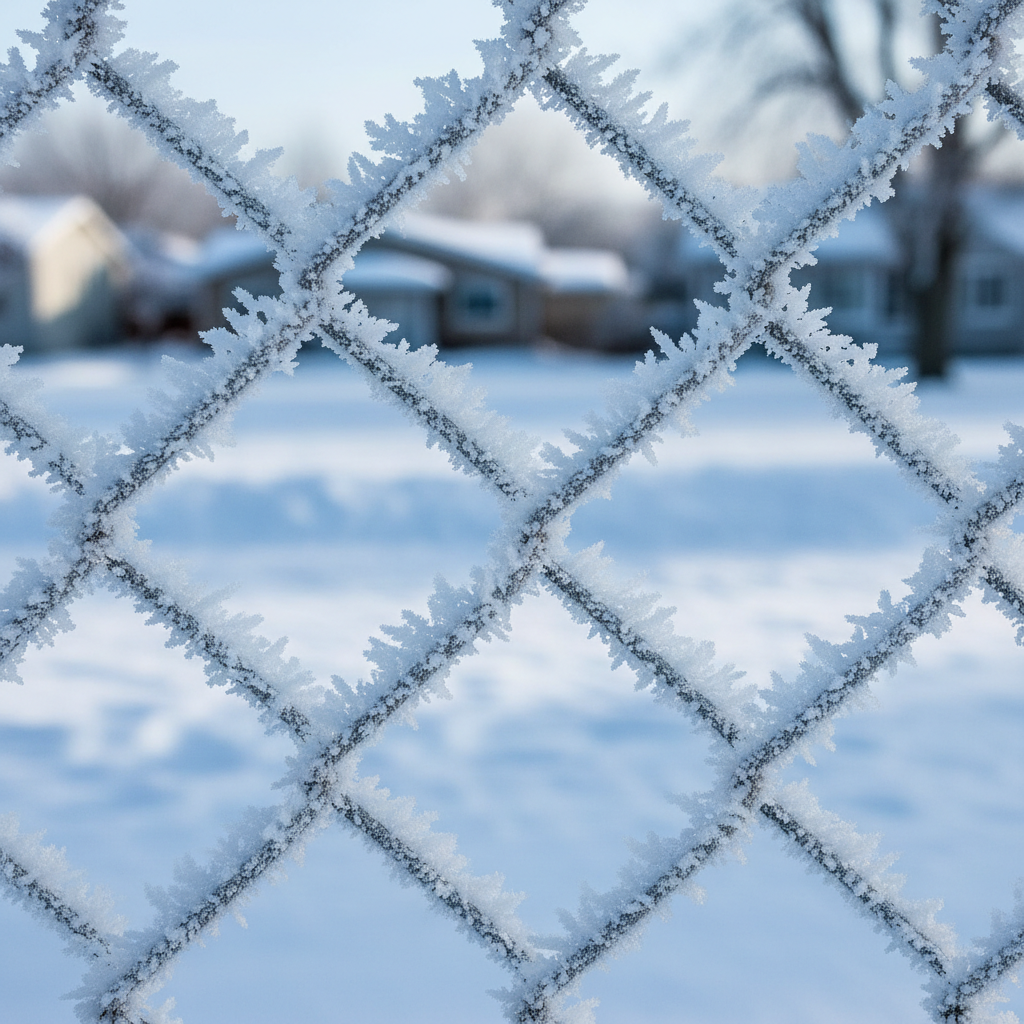
In the Northland, winter is not just a season; it is a powerful geological force. Understanding how to prevent frost heave in fence posts begins with a look at the physics occurring beneath your lawn. When water trapped in the soil freezes, it expands by approximately nine percent. In the confined space of the earth, this expansion has only one direction to go: up.
There are two distinct mechanisms at play here. The first is traditional heaving, which occurs when ice lenses form directly beneath the base of a post, physically pushing it upward. The second, and often more insidious, is frost pull. This happens when freezing moisture in the upper soil layers grips the sides of the post. As that top layer of earth expands and rises, it takes the post with it, leaving a gap underneath that fills with loose soil or more water, preventing the post from ever settling back down to its original height.
Duluth presents a unique challenge due to our local geology. Our region sits in a transition between USDA Hardiness Zones 3 and 4, categorized as Zone II/III for frost depth. Unlike milder climates where the ground barely freezes, Duluth soil often contains heavy clay that holds significant moisture. This clay, combined with the irregular drainage of our rocky Northland terrain, creates a high-pressure environment for any buried structure. While a professional fence contractor in Duluth might see success with shallow footers in the southern part of the state, our local conditions demand deeper, more precise engineering. This environmental volatility is why specialized Duluth fencing services are essential for long term stability.
The Duluth Frost Line: How Deep Do Fence Posts Need to Be in Minnesota?
The primary question homeowners ask when planning a project is exactly how deep a post needs to go to stay put. In Minnesota, the state building code generally references a 42 inch frost line. However, relying solely on this number in Duluth can be a costly mistake. Our proximity to Lake Superior and the aggressive winds of the Northland can drive the frost much deeper than in the Twin Cities. In exposed areas or during particularly harsh winters, the frost line in St. Louis County frequently reaches 60 inches.
When frost reaches the bottom of your post, it finds a foothold. If the post is set at 42 inches but the frost line hits 48 inches, the expansion occurring underneath will inevitably jack the post upward. Because St. Louis County soil often remains frozen or saturated late into May, this pressure is sustained for a significant portion of the year. To effectively combat this, a professional fence contractor in Duluth must prioritize depth over speed.
For a standard 6 foot wood privacy or chainlink fence, we recommend setting posts between 48 and 54 inches deep. This specific range ensures the base of the post sits safely within the stable, unfrozen soil below the active frost zone. Going deeper provides the necessary resistance against the upward pressure of the upper soil layers.
Fence Type | Standard Height | Recommended Post Depth |
|---|---|---|
Ornamental / Chainlink | 4 feet | 42 to 48 inches |
Privacy / Wood | 6 feet | 36 to 48 inches |
High-Wind / Heavy Gate | 6+ feet | 40-50 inches |
Setting posts at these depths requires specialized equipment, but it is the only reliable way to learn how to prevent frost heave in fence posts in our climate. If you are unsure about the soil conditions on your property, you can contact 218 Fencing LLC for a site assessment to determine the exact requirements for your specific terrain and elevation.
Common Installation Mistakes That Lead to Heaving Posts
Achieving the proper depth is only half the battle; the geometry of the hole itself is just as critical. The most frequent error we see in Duluth is the Bell Hole Trap. This occurs when a DIYer or an inexperienced contractor digs a hole that is wider at the top than the bottom, often as a result of struggling with manual diggers in rocky Northland soil. This funnel shape creates a large surface area or shoulder near the frost active surface. When the ground freezes, it grips this wide concrete top and effortlessly jacks the entire post out of the ground.
Another common pitfall involves the misuse of fast-set concrete. While convenient, pouring concrete directly into a dirt hole without a base of crushed rock creates a sealed pocket. This pocket traps moisture at the bottom of the post, providing the exact fuel needed for an ice lens to form and push the footer upward. Understanding these errors is central to learning how to prevent frost heave in fence posts over the long term. Furthermore, failing to over-engineer corner and end posts is a recipe for failure. These posts bear the lateral tension of the entire fence line. If they are not driven deeper or braced against the unique soil pressures of St. Louis County, the combined force of wire tension and frost pull will cause them to lean or lift within a single season.
When evaluating a professional fence contractor in Duluth, ask about their digging method. A quality installation requires vertical, smooth-sided holes or driven posts that eliminate the shoulders frost can grab. Homeowners should also ensure their contractor accounts for drainage at the base of every footer. If you are noticing your current fence shifting due to poor installation, you can contact 218 Fencing LLC to discuss a more resilient installation strategy tailored to our specific terrain.
Three Proven Methods to Stop Frost Heave Before It Starts
To effectively combat the upward movement of Northland soils, we rely on three distinct but complementary techniques. When planning your project, it is essential to look at these methods not as optional upgrades, but as fundamental requirements for Duluth fencing services.
Deep Setting Below the Frost Line: This remains the gold standard for long term stability. By placing the base of the post well into the 48 to 60 inch range, we ensure the footer is anchored in soil that stays at a constant temperature. This depth provides enough skin friction in the stable soil layers to resist the lifting force generated by the frozen upper layers.
Crushed Rock and Aggregate Drainage: In heavy clay soils, water pools at the bottom of a hole, creating a reservoir for ice to expand. Replacing the bottom few inches of soil with 3/4 inch crushed rock creates a void space where moisture can drain away from the post base. This prevents the formation of a solid ice lens that would otherwise act as a hydraulic jack against the bottom of the footer.
Surface Friction Reduction: Frost heave often relies on frost pull, where ice grips the rough surface of wood or the pores of concrete. Utilizing smooth steel posts for chainlink or ornamental fences, or applying a smooth sleeve over wood posts, prevents the ice from gaining a mechanical grip. When the ground expands, it slides past the post rather than taking the post with it.
Method | Best For | Why It Works |
|---|---|---|
Deep Setting | All Fence Types | Anchors post in non-moving, unfrozen soil layers. |
Gravel Drainage | Wood Privacy Fences | Prevents water saturation while stopping ice lens formation. |
Smooth Posts/Sleeves | Chainlink & Ornamental | Reduces the grip of frozen soil on the post surface. |
For heavy wood privacy fences that catch significant wind, combining deep setting with gravel drainage is the most effective way to learn how to prevent frost heave in fence posts. Chainlink fences, which have less surface area, benefit most from the smooth-sided nature of steel posts driven deep into the St. Louis County clay. If you are planning a new installation and want to ensure your investment stays level, you can contact 218 Fencing LLC to discuss which method is best for your specific property.
The 218 Fencing Advantage: Gas Post Drivers and Year-Round Stability
Standard installation methods often fall short in the Northland because they rely on disturbing the very soil meant to hold the post in place. At 218 Fencing LLC, we utilize a professional gas post driver to bypass the limitations of traditional auguring. Instead of removing soil and replacing it with loose backfill or concrete that can shrink, a driven post is hammered directly into the earth. This process maintains the natural compaction of the soil, creating high levels of skin friction along the entire length of the post. This friction is a critical component in how to prevent frost heave in fence posts, as it provides the necessary downward resistance to counteract the upward pull of freezing surface moisture.
Our equipment also solves the problem of Duluth's notoriously short construction season. While most Duluth fencing services stop once the thermometer drops, our gas driver allows for year round installation. The machine generates enough force to penetrate the initial frost cap, driving the post deep into the stable, unfrozen soil layers below. Because the post is driven rather than set in a dug hole, there is no loose soil at the base to hold water, effectively eliminating the risk of a bell hole effect. This mechanical advantage ensures that the post is anchored firmly in the high density clay typical of St. Louis County.
Feature | Driven Post (218 Fencing) | Traditional Augured Post |
|---|---|---|
Soil Integrity | Preserved Compaction | Disturbed and Loosened |
Skin Friction | Maximum Grip/Resistance | Variable (depends on backfill) |
Winter Availability | Year-Round Capability | Seasonally Limited |
Depth Precision | Consistent Sub-Frost Depth | Difficult in Rocky Clay |
Choosing a professional fence contractor in Duluth who understands these mechanical advantages ensures your fence remains level through decades of freeze thaw cycles. If you have a project planned for the colder months, you can contact 218 Fencing LLC to learn more about our specialized installation process.
Building a fence that survives Duluth's freezing temperatures depends on setting posts deep enough to resist shifting. While understanding the mechanics of frost heave is helpful, executing the work requires specialized tools and significant effort. If you want expert help with your next installation, our local team is ready to assist. You can read more about our experience and our dedication to durable construction. We focus on providing peace of mind through reliable, long lasting results for every property.